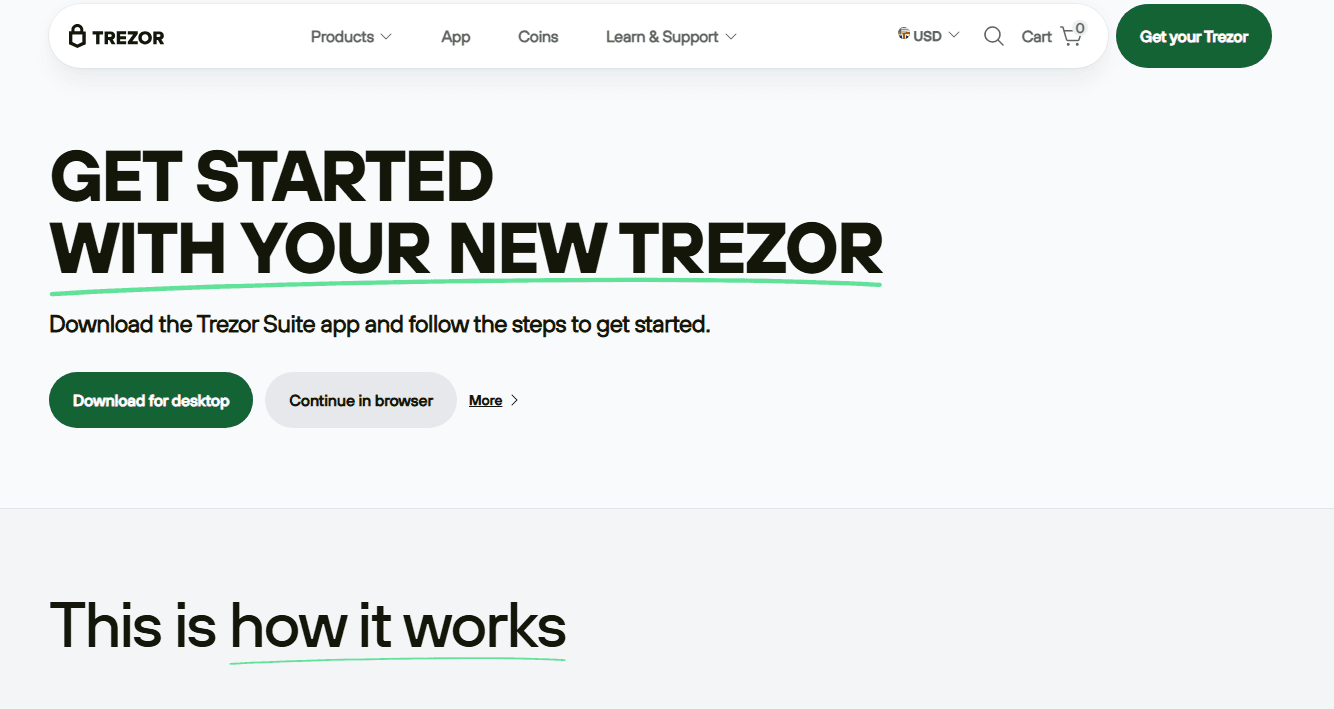
Trezor Login: Complete Guide to Secure Access and Wallet Management
Trezor hardware wallets are widely regarded as one of the most secure ways to store and manage cryptocurrencies. They keep your private keys offline, safeguarding your digital assets from online threats, malware, and unauthorized access. Logging into your Trezor wallet correctly is essential to manage funds, monitor balances, and conduct transactions safely.
This guide provides a detailed, step-by-step overview of the Trezor login process. It covers device connection, PIN authentication, using Trezor Suite, managing cryptocurrency accounts, executing transactions, recovery options, security best practices, firmware updates, and troubleshooting common issues.
Understanding Trezor Login
Trezor login is the process of securely accessing your wallet so that you can manage cryptocurrencies stored on the device. Unlike online wallets, Trezor keeps your private keys offline. This means that accessing your wallet is done without exposing sensitive data to the internet, providing maximum security for your assets.
Logging in securely allows you to:
View balances and account activity
Manage multiple cryptocurrency accounts
Send and receive digital assets
Update firmware safely
Recover access in case of device loss
Proper login procedures are crucial for maintaining the integrity of your wallet and protecting your funds.
Preparing for Trezor Login
Before attempting to log in, make sure you have:
Trezor Hardware Wallet: Either Trezor One or Trezor Model T.
Computer or Mobile Device: Compatible with USB connections.
Trezor Suite Software: Installed and up-to-date.
PIN Code: Set during wallet initialization.
Recovery Seed: Stored safely offline in case the PIN is forgotten or the device is lost.
Being prepared ensures a smooth login process and reduces the risk of errors or security problems.
Step 1: Connecting Your Trezor Device
To access your wallet, first connect your hardware device:
USB Connection: Use the cable supplied with your Trezor wallet.
Power On: The device will automatically power on when connected.
Device Verification: The screen displays the model and prompts for authentication.
Connecting the wallet securely is the foundation for safe management of your cryptocurrency.
Step 2: Entering Your PIN
The PIN is the first layer of security for accessing your wallet:
Prompt: Upon connection, the device will request your PIN.
Input: Enter the PIN using the buttons or touchscreen on your Trezor device.
Verification: The device validates the PIN before granting access to wallet functions.
It is important to remember your PIN, as multiple incorrect attempts may temporarily lock the device or require recovery using your seed phrase.
Step 3: Using Trezor Suite
Trezor Suite is the software companion for managing your cryptocurrency:
Launch Trezor Suite: Open the application on your computer or mobile device.
Detect Device: The software automatically recognizes your connected Trezor wallet.
Authenticate: Confirm the connection and enter your PIN to gain access.
Trezor Suite provides a secure environment to manage accounts, monitor balances, and perform transactions without exposing private keys.
Step 4: Recovery Options
Sometimes login issues occur due to forgotten PINs or lost devices. Trezor provides recovery methods:
Recovery Seed: Use the 12- or 24-word recovery phrase to restore access on a new device.
Optional Passphrase: If you set a passphrase during setup, it is required along with the recovery seed.
Secure Restoration: Follow the device instructions carefully to restore accounts without compromising security.
Recovery procedures allow continued access to your funds in the event of loss or device failure.
Step 5: Managing Cryptocurrency Accounts
After logging in, you can manage multiple accounts securely:
Add Accounts: Select cryptocurrencies supported by Trezor to manage.
Create Accounts: Follow prompts to create accounts for each digital asset.
Verify Addresses: Always confirm wallet addresses on the Trezor device to prevent tampering.
Proper account management ensures you can handle multiple cryptocurrencies securely within the same interface.
Step 6: Sending and Receiving Cryptocurrency
Login access allows you to perform secure transactions:
Receiving Funds: Generate a receiving address in Trezor Suite, verify it on the device, and share it with the sender.
Sending Funds: Enter the recipient address and transaction amount, then confirm on the device.
Transaction Verification: Each transaction requires manual confirmation to ensure authenticity.
This two-step process ensures only authorized transactions occur.
Step 7: Security Best Practices
Maintaining security during login is critical:
Keep Recovery Seed Offline: Never store it digitally or share it with anyone.
Verify Device Authenticity: Always confirm your Trezor device is genuine.
Use Secure Networks: Avoid public Wi-Fi when accessing your wallet.
Update Firmware and Software: Keep Trezor Suite and device firmware up to date.
Secure Physical Storage: Store the device and recovery seed in a safe location.
Following these best practices ensures long-term protection of your cryptocurrency.
Step 8: Updating Firmware and Software
Regular updates are essential for maintaining security and functionality:
Firmware Updates: Improve security, fix bugs, and add new features.
Trezor Suite Updates: Enhance usability, support additional cryptocurrencies, and maintain compatibility.
Device Verification: Approve updates directly on the hardware wallet to ensure authenticity.
Regular updates help prevent vulnerabilities and maintain smooth operation of your wallet.
Step 9: Troubleshooting Common Login Issues
Even with proper setup, login issues may arise:
Device Not Recognized: Check USB connections, try another port, or restart Trezor Suite.
PIN Problems: Confirm you are entering the correct PIN; if forgotten, recover using the recovery seed.
Software Glitches: Restart or reinstall Trezor Suite if necessary.
Being aware of common issues ensures uninterrupted access to your cryptocurrency wallet.
Advantages of Proper Trezor Login Practices
Following secure login procedures offers multiple benefits:
Secure Access: Prevents unauthorized entry into your wallet.
Account Management: Enables safe handling of multiple cryptocurrencies.
Transaction Security: Confirms all transactions on the device.
Recovery Readiness: Provides options to regain access if needed.
Peace of Mind: Confirms that your funds are protected and fully under your control.
Proper login practices are fundamental to long-term security and efficient cryptocurrency management.
Conclusion
Trezor login is the gateway to securely managing your cryptocurrency assets. By connecting your device, entering your PIN, accessing Trezor Suite, and following recovery and security procedures, you can manage your wallet safely and perform transactions confidently.
Adhering to best practices—offline storage of recovery seeds, verifying device authenticity, using secure networks, and keeping firmware and software updated—ensures the security of your digital assets. Mastering Trezor login provides a foundation for safe, efficient, and reliable cryptocurrency management.